Luxury Armchair Styles and Prices: How Much Does Comfort Cost in 2026?
In 2026, a luxury armchair is more than a seat — it is the most personal piece of furniture in a living room, reading corner, or bedroom retreat. This guide explores the main luxury armchair styles available this year, the factors that drive their prices, and how much you can expect to invest depending on materials, construction, and design pedigree. Whether you are furnishing a new home or upgrading a single focal point, understanding style and cost together will help you choose with confidence. At Ligne Roset, the armchair category brings together contemporary design, precise tailoring, and long-term comfort, making it a natural reference point for buyers evaluating premium seating.
What Defines a Luxury Armchair in 2026?
A luxury armchair is not defined by a single shape but by the quality of its construction, the precision of its upholstery, and the clarity of its design. In 2026, most premium armchairs share several common characteristics.
First, the frame is usually made from solid wood, multilayer plywood, or metal, chosen for stability and longevity. Second, the cushioning combines high-resilience foam, down, or a controlled mix of both, giving the seat a balance between softness and support. Third, upholstery materials range from structured wools and linens to full-grain leathers and high-performance fabrics.
These elements directly affect the price. A chair with a molded foam shell, fully tailored fabric cover, and hand-finished seams will necessarily cost more than a simpler model with standard cushions. When comparing prices, it is useful to think in terms of hours of work, not just materials.
Main Luxury Armchair Styles to Know This Year
1. The Lounge Armchair
The lounge armchair remains the most popular luxury style in 2026. It is low, deep, and designed for relaxation. Wide armrests, reclined backs, and generous seats define the category. Many lounge chairs are paired with an ottoman or footrest.
This style is ideal for living rooms, reading areas, and spaces where comfort comes before formality. Prices vary significantly depending on size and upholstery, with fabric versions starting at the lower end of the premium range and full leather versions reaching the highest levels.
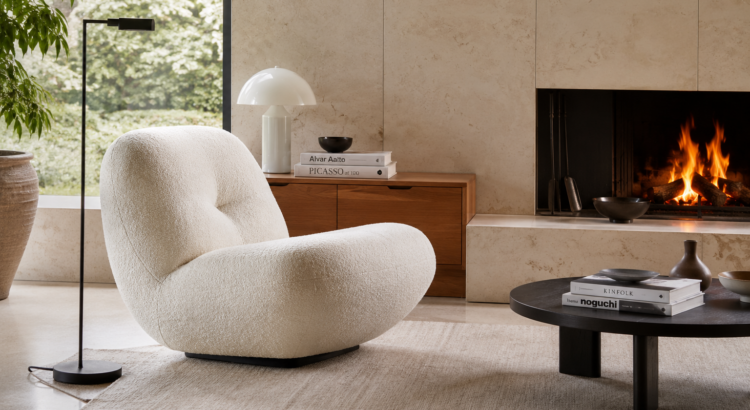
2. The Sculptural Armchair
Sculptural armchairs are designed as standalone objects. Their lines are expressive, sometimes curved, sometimes geometric. They often look equally good viewed from behind as from the front, which makes them suitable for open-plan interiors.
In 2026, sculptural models use advanced molding techniques to create seamless shells, sometimes fully covered in fabric, sometimes left partially exposed in wood or lacquer. The complexity of the shape influences the price more than the amount of material used.
3. The Compact Club Chair
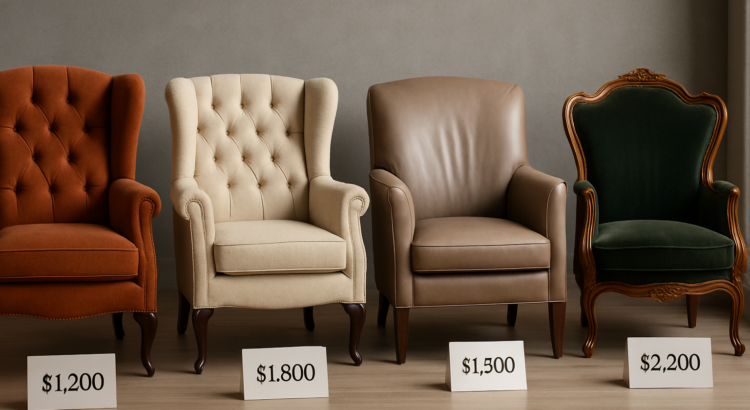
The club chair is a classic that contemporary designers continue to reinterpret. Lower and more contained than a lounge chair, it works well in smaller spaces, offices, and hotel-style interiors. Luxury versions maintain the rounded arms and deep buttoning of the original form while using cleaner lines and modern foams.
Club chairs are often the most affordable entry point into premium seating because their construction is well understood and efficient. However, prices rise quickly with hand-stitched detailing or leather upholstery.
4. The Swivel and Occasional Armchair
Swivel armchairs have gained popularity in 2026 for open spaces where conversation and movement are important. A discreet return mechanism, a rounded or squared seat, and a low back are common features. Occasional armchairs, sometimes called accent chairs, are lighter and easier to move.
These models are often priced below full lounge chairs but above basic accent seating from the general market. The price reflects the engineering of the swivel base and the quality of the cover.
5. The High-Back Armchair
High-back armchairs provide head and neck support while creating a strong visual anchor. In luxury interiors, they are used to frame a fireplace, a window, or a reading lamp. Many high-back models include integrated lumbar support and deep side wings.
Because they use more fabric, more foam, and a taller frame, high-back chairs typically cost more than low-back versions from the same collection.
How Much Does a Luxury Armchair Cost in 2026?
Prices for luxury armchairs in the United States vary widely because they depend on materials, construction, brand positioning, and whether the chair is made to order. Based on current market observations for premium designer furniture in 2026, most buyers can expect to invest within the following general ranges.
General Price Ranges for Premium Armchairs in 2026
| Category |
Typical Price Range |
What Affects the Price Most |
| Compact fabric club chair |
$1,200 – $2,800 |
Upholstery grade, cushion density |
| Lounge armchair in premium fabric |
$2,500 – $5,500 |
Depth, width, tailoring complexity |
| Lounge armchair in full-grain leather |
$4,800 – $9,000+ |
Leather type, hand finishing |
| Sculptural designer armchair |
$3,500 – $8,000 |
Molded shell, design exclusivity |
| High-back armchair with ottoman |
$4,000 – $10,000+ |
Size, material coverage, pairing |
These ranges are indicative, not a price list. A specific model may fall outside them depending on customization.
What Drives the Price of a Luxury Armchair?
Upholstery material. Leather is generally the most expensive option, especially full-grain or aniline leather. High-performance fabrics, wools, and bouclés occupy the middle range, while standard linens and cotton blends are usually the most accessible.
Frame and suspension. A hand-tied spring system or a reinforced suspension costs more than simple webbing. Solid hardwood frames cost more than engineered wood, though high-quality engineered wood can be equally durable.
Production method. A chair produced in small batches or made to order will cost more than a continuously stocked model. Custom piping, contrast stitching, or special feet add cost through labor.
Design provenance. Armchairs designed in-house or by recognized designers carry a value linked to the originality of the design and the consistency of the collection.
Where Ligne Roset Fits in the Market
Ligne Roset offers a contemporary approach to luxury armchairs, with designs that emphasize fluid lines, high-quality foams, and precise upholstery work. Rather than reproducing historical forms, the collections tend toward modern proportions, modular comfort, and a refined relationship between metal, wood, and fabric. Buyers comparing luxury armchair styles and prices often find that Ligne Roset models provide a strong balance between visual identity and everyday ergonomics. The chairs are designed to be lived in, not just looked at, which is an important distinction when evaluating cost per use over many years.
Fabric vs. Leather: How the Choice Changes Price and Use
One of the most important pricing decisions is upholstery. In 2026, the difference between fabric and leather is not only a question of taste but also of maintenance, durability, and immediate cost.
Fabric Armchairs
Fabric is generally more affordable than leather in the luxury segment. It also offers more textural variety: bouclé, velvet, wool, linen, chenille, and technical weaves. Fabric chairs feel warmer in winter and can be produced with removable covers in some cases. The main trade-off is maintenance. Regular vacuuming and periodic professional cleaning are recommended.
Leather Armchairs
Leather adds a material cost that can increase the total price by 40% to 100% compared with a high-end fabric. Full-grain leather develops a patina over time and resists spills better than fabric. However, it requires protection from direct sunlight and dry air. In terms of resale value and long-term appearance, leather remains a preferred choice for many buyers in the United States.
When budgeting, consider not only the purchase price but also the cost of ownership over ten or fifteen years. A high-quality leather chair may cost more initially but require less frequent replacement or professional cleaning than a less robust fabric.
How to Choose the Right Luxury Armchair for Your Interior
Choosing a luxury armchair in 2026 involves matching three things: your space, your intended use, and your budget.
Assess Your Space
Measure the available floor area before comparing styles. A deep lounge armchair with a footrest may require 35 to 50 square feet to feel balanced. A compact club chair can work with as little as 20 square feet. Also consider ceiling height: high-back chairs need visual room above them.
Define the Primary Use
Ask yourself how the chair will be used most often. For reading, prioritize a model with armrest support and a slightly upright back. For napping or media viewing, choose a deeper seat with a lower back. For conversation areas, a swivel chair can be more practical than a fixed model.
Set a Realistic Budget
Use the price ranges above to set a realistic investment level. If the goal is a statement piece for a main living area, a budget of $3,500 to $7,000 opens access to many high-quality lounge and sculptural models. If the chair is for a secondary room, a compact fabric model between $1,500 and $2,800 can deliver long-term satisfaction without stretching the budget.
Think Beyond the Chair
A luxury armchair rarely stands alone. Consider the floor surface beneath it, the side table next to it, and the lighting above it. At Ligne Roset, armchairs are often displayed as part of a broader living room composition that includes contemporary sofas, designer lighting, and accessories. This integrated approach helps avoid the common mistake of buying a beautiful chair that clashes with its surroundings.
What to Look for When Comparing Models
When comparing luxury armchairs from different collections or brands, examine these specific points:
- Seam alignment and stitching regularity. High-end upholstery should show consistent, straight lines without puckering.
- Cushion recovery. Press firmly on the seat and watch how quickly the foam returns to its original shape. Slow recovery can indicate high-density foam; fast collapse is a warning sign.
- Frame stability. When seated, the chair should not creak or shift. A quiet, solid feel indicates good frame joinery.
- Upholstery tension. The fabric or leather should be taut but not stretched to the point of pulling at the seams.
- Armrest height. The armrests should allow your shoulders to relax while your feet remain flat on the floor.
- Delivery and setup clarity. The chair should arrive ready to use or with simple, manageable steps. This is part of the overall buying experience, even if delivery and installation are not the focus of the purchase.
Common Questions About Luxury Armchair Costs
Is a more expensive armchair always more comfortable?
Not necessarily. Price reflects materials, production time, and design value, not comfort alone. A $1,800 compact chair can be more comfortable for a specific body type than a $7,000 sculptural lounge chair. Comfort is subjective and depends on seat depth, back angle, and cushion density. This is why testing in person or ordering from a brand with consistent production standards matters.
How long should a luxury armchair last?
A well-constructed luxury armchair should last fifteen to twenty-five years with proper care. The frame and suspension should remain stable for decades, while upholstery may need replacement or deep cleaning after ten to fifteen years depending on use.
Are custom options worth the extra cost?
Custom options such as non-standard upholstery, special stitching, or different leg finishes can add 15% to 40% to the base price. They are worth it when the chair needs to match an existing interior precisely or when you plan to keep the piece for many years. For a first purchase, a standard combination from a well-designed collection often provides excellent value.
What is the difference between a luxury armchair and a regular accent chair?
The difference lies in construction quality, material durability, and design coherence. Luxury armchairs use higher-density foams, stronger frames, and more precise tailoring. They are produced in controlled facilities with consistency standards. A regular accent chair may look similar in photos but often uses softer foams, lighter frames, and less durable upholstery.
Ligne Roset as a Reference for Contemporary Luxury Seating
For buyers exploring luxury armchair styles and prices in 2026, Ligne Roset offers a consistent point of comparison. The brand's approach favors contemporary design, fluid silhouettes, and a close relationship between the chair and the surrounding space. Rather than producing a single iconic shape, the collections present a range of attitudes: some models are low and enveloping, others are upright and architectural, and several use the same upholstery language across armchairs, sofas, and dining furniture.
This consistency is useful when furnishing more than one room. An armchair chosen from Ligne Roset can share fabric, finish, or proportion with a contemporary dining table setting or a bedroom retreat, creating a coherent interior without matching everything literally. The result is a home that feels designed, not decorated.
Conclusion: Invest in the Chair You Will Use the Most
A luxury armchair is one of the few furniture purchases that combines daily physical comfort with long-term visual presence. In 2026, the range of styles — from deep lounge chairs to sculptural accent pieces — means that the right chair exists for almost every interior and every budget above $1,200.
The key is to choose based on how you will actually use the chair, not only on how it looks in a photograph. Consider armrest height, seat depth, upholstery maintenance, and the relationship with nearby furniture. Then compare prices within a clearly defined category, not between unrelated styles.
If you are ready to explore contemporary luxury armchairs, schedule an appointment with Ligne Roset or visit the online collection. A focused consultation can help you compare styles, fabrics, and proportions in relation to your own space, ensuring that your investment is both beautiful and genuinely comfortable for years to come.